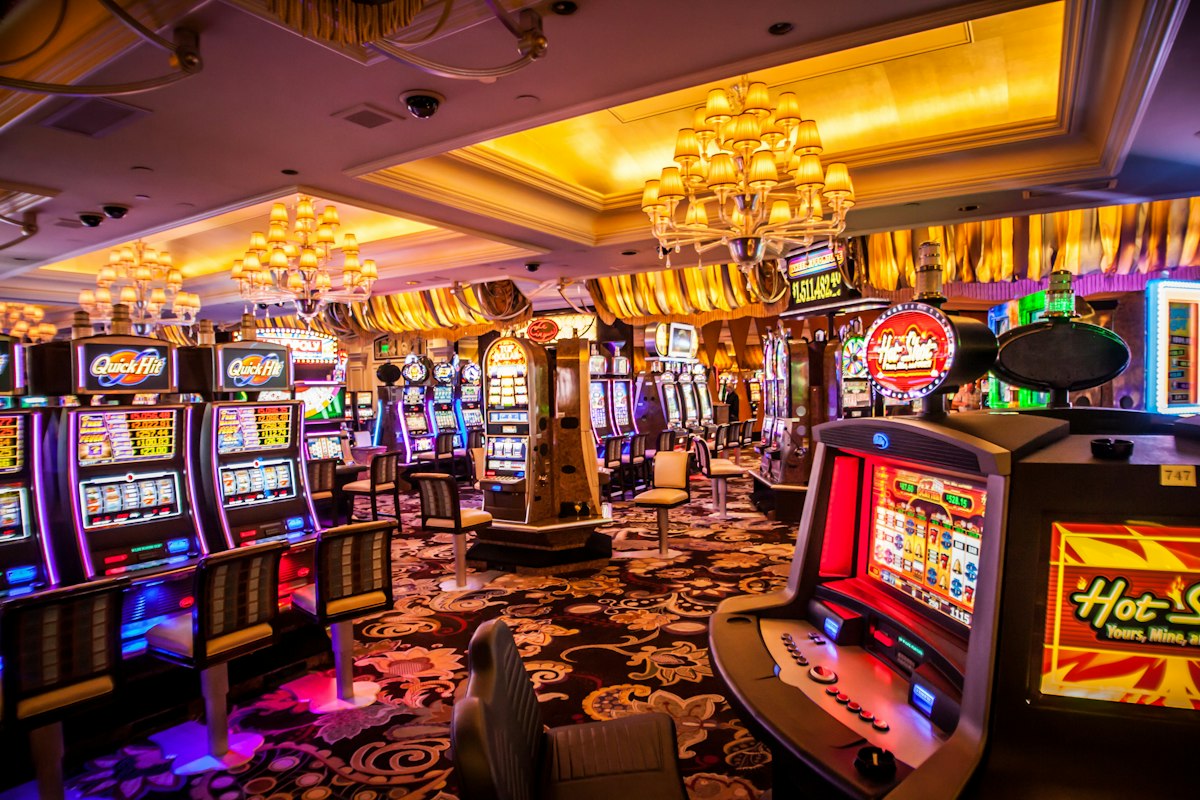
The Rise of Casino Tourism in the UK
Casino tourism has become a significant driver of local economies across the United Kingdom. From the bright lights of London’s West End to the regenerated docklands of Liverpool and Manchester, casinos attract millions of visitors each year. These visitors do not simply gamble; they dine, stay overnight, shop, and explore nearby attractions. The result is a ripple effect that touches hotels, restaurants, taxi firms, retail outlets, and cultural venues.
In 2023, the UK gambling industry reported over 150 casinos nationwide, with the majority concentrated in major cities and tourist destinations. While online gambling has grown, land-based casinos remain a cornerstone of leisure tourism, particularly for high-spending international visitors and domestic weekenders.
How Casinos Attract Visitors and Spend
Casinos are more than gaming floors. Modern venues offer live entertainment, fine dining, spas, and conference facilities. This diversification turns them into destination resorts that encourage longer stays and higher spending. A typical casino tourist spends on average £150–£300 per visit beyond gaming, according to industry surveys. That money flows directly into local businesses.
Consider a city like Birmingham. The presence of a large casino near the ICC has boosted footfall in surrounding bars and restaurants. Taxi drivers report higher fares on event nights. Hotels enjoy midweek occupancy that would otherwise be quiet. Even local theatres benefit, as casino operators sometimes bundle show tickets with gaming packages.
Casino tourism brings visitors to the area, and the casino hippodrome sits right at the heart of that flow.
Economic Benefits for Local Businesses
The economic impact extends beyond direct spending. Casinos create jobs—dealers, security, hospitality staff, cleaners, and managers. These are often year-round positions with training opportunities. Indirectly, casinos support supply chains: local food producers, laundry services, maintenance contractors, and marketing agencies.
In areas with high unemployment, casino tourism can act as a catalyst for regeneration. The example of Blackpool illustrates this: despite challenges, its casino and entertainment complex draws visitors who then spend in nearby guesthouses, chip shops, and arcades. Similarly, in Glasgow, the casino at Springfield Quay has helped anchor a leisure district that includes a cinema, bowling, and restaurants.
Challenges and Considerations
Not all impacts are positive. Local businesses may face increased competition for staff, rising rents, and pressure on infrastructure. There are also social costs linked to problem gambling, which can affect community health and policing. Responsible operators work with local authorities to mitigate these issues through training, self-exclusion schemes, and contributions to social responsibility funds.
For small businesses, the key is to integrate with the casino economy rather than compete against it. A independent café near a casino can offer late-night snacks; a boutique hotel can partner on packages; a taxi firm can sign a preferred supplier deal. Those that adapt tend to thrive.
Maximising the Local Business Opportunity
To capture casino tourism spending, local businesses should consider the following actions:
- Extend opening hours on nights when major casino events or tournaments take place.
- Create joint promotions with nearby casinos, such as discount vouchers or loyalty crossovers.
- Train staff to welcome international visitors, including basic language skills and currency handling.
- Use digital marketing to target casino-goers via geofenced ads and social media.
- Offer distinctive experiences that casinos do not—artisan markets, heritage tours, or late-night street food.
By thinking strategically, even small shops and service providers can benefit from the influx of casino tourists.
The Future of Casino Tourism in the UK
As the UK prepares for potential regulatory changes and the expansion of resort-style casinos in cities like London, Leeds, and Newcastle, the competition for visitor spend will intensify. Local businesses that build relationships with casino operators and understand their customer base will be best placed to profit. Casino tourism is not a passing fad; it is a permanent feature of the UK leisure landscape. With the right approach, its benefits can be shared widely across the local economy.