

To record a returned item, you’ll use the sales returns and allowances account. This account is for deductions from revenue that result from returns or allowances. This means that when you debit the sales returns and allowances account, that amount gets subtracted from your gross revenue. You also have to make a record of your inventory moving and the sales tax.

Key Components of a Sales Revenue Journal Entry
Proper integration of your sales journal with the general ledger streamlines the month-end closing process. This connection allows for efficient tracking of accounts receivable and helps maintain accurate customer balances. The system’s cohesiveness supports better cash flow management and credit control. The sales journal functions as a crucial component within the broader accounting ecosystem.
FAQ: Intercompany Journal Entries
The journal entry involves debiting your Trading Account (or Inventory account) and crediting an Opening Stock account. This sets the stage for tracking inventory changes throughout the period. You’ll record a total revenue credit of $50 to represent the full price of the shirt. However, the debit to the sales returns and allowances account ultimately subtracts $10 from your revenue, showing that you actually only earned $40 for the shirt. To create a journal entry in your general ledger or for a sale, take the following steps. While it’s rarely used, the single-entry bookkeeping method can also be used for journal entries.
Accounting Dictionary

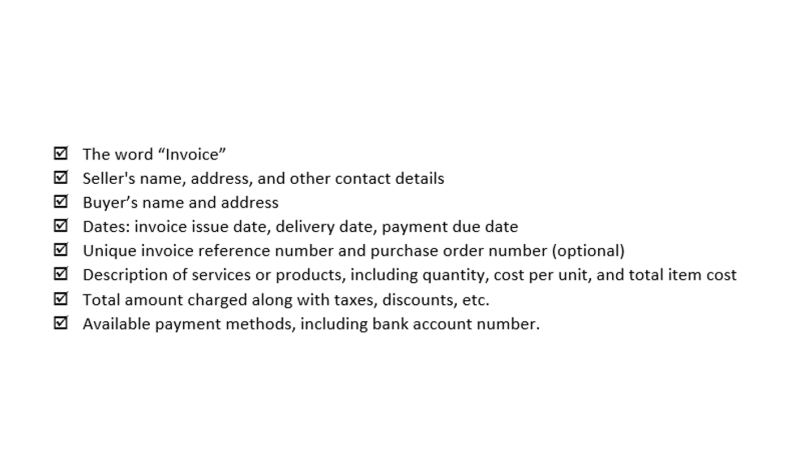
It is always prepared by the seller and is called the sales invoice in the record of the seller and the purchase invoice in the record of the buyer. The seller uses it to record a sales transaction in his sales journal, and the buyer uses Purchases Journal it to record a purchase transaction in his purchases journal. When the customer pays their invoice, you’ll make another entry to record the cash received and reduce the accounts receivable balance. The word “sales” is commonly used for all types of income generating sources not just sales of products.
- For organizations operating multiple legal entities, whether across countries, regions, or business units, intercompany accounting is unavoidable.
- Investopedia details each step and its importance for financial accuracy.
- If your customer purchased using a credit card, then you use accounts receivable instead of cash.
- Total sales revenue, derived from multiplying the quantity sold by the sales price, represents the overall income generated for a business within a specific period.
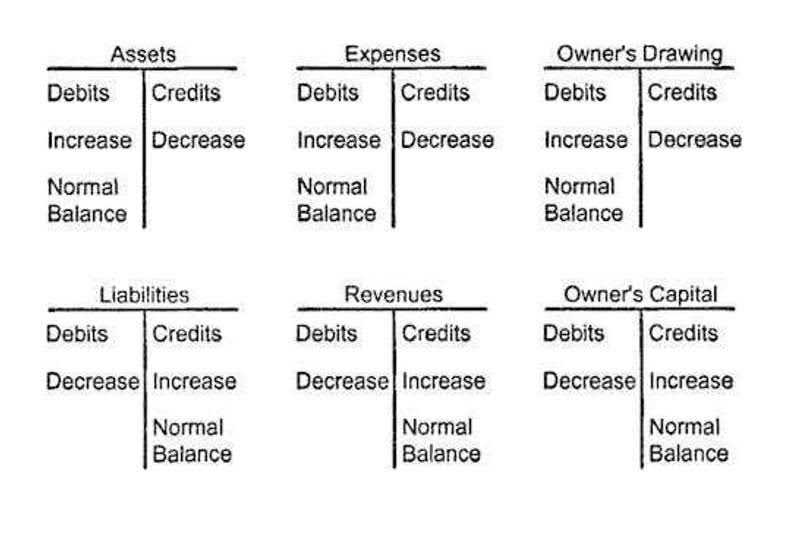
- If you’re dealing with a credit sale, you’ll debit Accounts Receivable (an asset) and credit Sales Revenue.
- This memo shows the amount and reason for the seller’s credit in the accounts receivable account, which accounts receivable in the event of a credit sale means that the amount gets a reduce.
- A sales journal is a specialized accounting document used to record all sales transactions made by a business during a specific period.
- Sales tax adds complexity to transactions, but not every state levies it.
- It is part of the double-entry bookkeeping system and is used to record credits from sales of products or services.
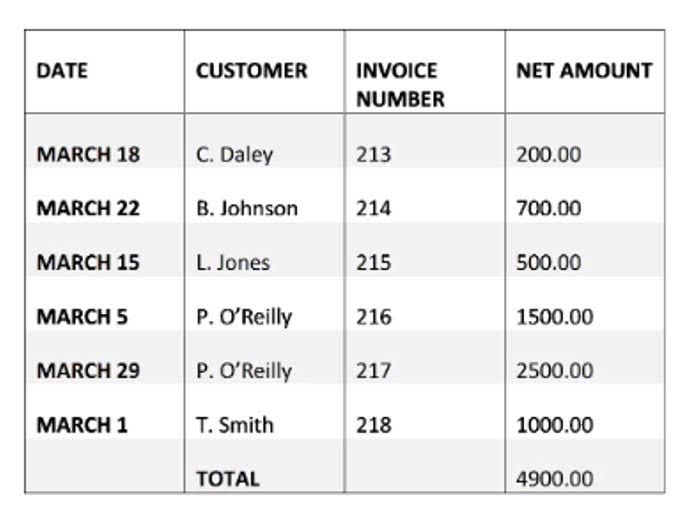
- The following example illustrates how transactions are recorded in a sales journal and how entries from there are posted to subsidiary and general ledgers.
- For businesses with high-volume transactions, automating these journal entries can significantly reduce errors and streamline financial processes.
It is a chronological record, meaning transactions sales journal definition are recorded in the order they occur. This journal helps businesses keep track of sales made on credit, without the immediate exchange of cash. In a credit sales journal entry, you record the sale immediately, creating an accounts receivable asset.
- When recording sales, you’ll make journal entries using cash, accounts receivable, revenue from sales, cost of goods sold, inventory, and sales tax payable accounts.
- The Sales Journal, a significant component of a business’s financial management system, has a focused purpose that extends beyond being a simple record of transactions.
- When you make a sale that includes sales tax, you’re collecting that tax on behalf of the government.
- This sets the stage for tracking inventory changes throughout the period.
- Sales journal entries help you track the money coming into your business.
- Understanding the meaning of each debit and credit can be tricky when you’re dealing with returns.
Businesses can rely on this tool to streamline their records and support effective decision-making. Even seasoned accountants can make mistakes when recording sales revenue journal entries. These errors, from minor typos to misclassifications, can have a ripple effect across your financial reporting. This section covers common mistakes and practical tips for keeping your sales revenue journal entries accurate.
Instead, you collect sales tax at the time of purchase, and you make payments to the government quarterly or monthly, depending on your state and local rules. Some businesses keep a different purchase and sale journal, while some journals keep the record of purchases and sales in the same journal. So, if a client wants to return the product the invoice number can be matched with the invoice number in the sales journal. In this example, we will assume that all sales are made on terms of 2/10, n/30 and that the gross https://newswave.bg/2022/08/11/doctors-lose-20-million-hours-to-paperwork-in/ method is used to record sales discounts. In a sales journal, you will commonly find columns such as date of sale, customer name, invoice number, item description, quantity sold, unit price, and total sales amount. These fields are crucial for tracking revenue generated from sales transactions.